How can Children Take Ownership in Their Education?
Empowering children to take ownership of their education is a valuable way to foster independence, responsibility, and a lifelong love for learning. Here are some strategies to help children take ownership of their education:
- Set Goals: Encourage children to set their own academic and personal goals. These goals should be specific, measurable, achievable, relevant, and time-bound (SMART). Having clear objectives gives them a sense of purpose and direction.
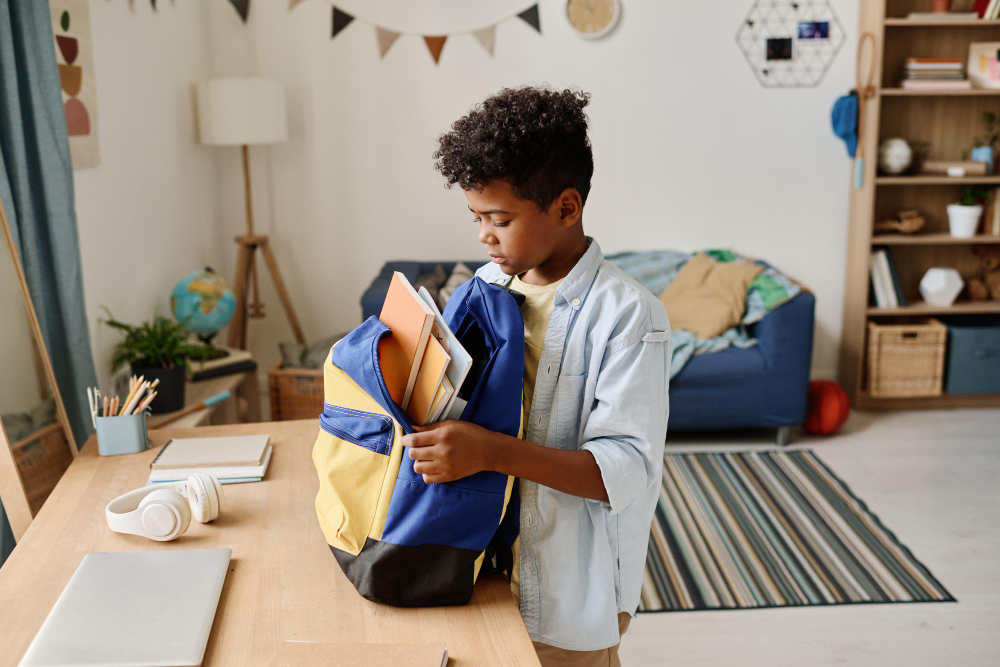
- Create a Learning Environment: Designate a dedicated space for learning at home that is free from distractions. Allow children to personalize this space with items that motivate and inspire them.
- Choice and Autonomy: Give children choices in their learning whenever possible. Let them choose topics for research projects, books to read, or elective subjects. This fosters a sense of autonomy and motivation.
- Develop Time Management Skills: Teach children the importance of time management. Help them create schedules or to-do lists for assignments, projects, and study sessions. Encourage them to prioritize tasks and allocate time effectively.
- Encourage Questions: Foster a curiosity-driven learning environment by encouraging children to ask questions. Provide thoughtful answers or guide them to resources where they can find answers themselves.
- Research Skills: Teach research skills, including how to find and evaluate information from various sources. This empowers them to explore topics independently.
- Reflect and Self-Assess: Encourage children to reflect on their learning experiences. Have them assess their strengths and weaknesses and set strategies to improve.
- Advocate for Themselves: Teach children how to advocate for their educational needs. This includes asking questions in class, seeking help when needed, and discussing concerns with teachers or parents.
- Digital Literacy: Equip children with digital literacy skills, helping them navigate online resources responsibly and effectively for research and learning.
- Real-Life Application: Show them how what they’re learning is relevant in real life. Connect classroom concepts to practical applications and everyday situations.
- Encourage Exploration: Support children in exploring extracurricular activities, hobbies, and interests that align with their passions. These activities can complement formal education and encourage self-directed learning.
- Celebrate Achievements: Recognize and celebrate their achievements, no matter how small. Positive reinforcement can boost their motivation and self-esteem.
- Role Modeling: Be a role model for self-directed learning by demonstrating your own curiosity, interests, and a commitment to lifelong learning.
- Praise Effort, Not Just Results: Encourage a growth mindset by praising their effort and persistence, rather than just the final outcomes.
- Open Communication: Maintain open and honest communication with your child. Ask about their interests, concerns, and progress regularly.
By fostering a sense of ownership and responsibility in their education, children are more likely to become independent learners who are motivated and eager to explore the world around them.