How to Teach your Kids to Follow Their Inner Voice
practice to observe, rather than involve. Observe what is going on, who what and especially why. Become more passive than reactive. Observing requires patience, neutrality to the outcome and self control
focus stretegies, resisting distraction, identify the calm voice, blocking out noise
Teaching kids to listen to their instincts or “gut feelings” is a valuable skill for developing intuition and making wise decisions. Here are activities to help kids tune into their intuition:
2. **Storytelling:** Read stories or watch movies with characters who face moral dilemmas or challenging decisions. Pause and ask your child how they think the character should proceed based on their “gut feeling.” Discuss the outcomes to reinforce the importance of listening to their instincts.
3. **Nature Walk:** Take a nature walk together and ask your child to pay attention to their senses. Encourage them to notice any changes in their body or feelings as they encounter different elements of nature. Discuss how their gut feelings might guide them in the outdoors.
4. **Role-Playing Scenarios:** Create various role-playing scenarios where your child has to make decisions. Ask them to pay attention to their initial reactions or “gut instincts” before making choices. Discuss the importance of trusting those instincts.
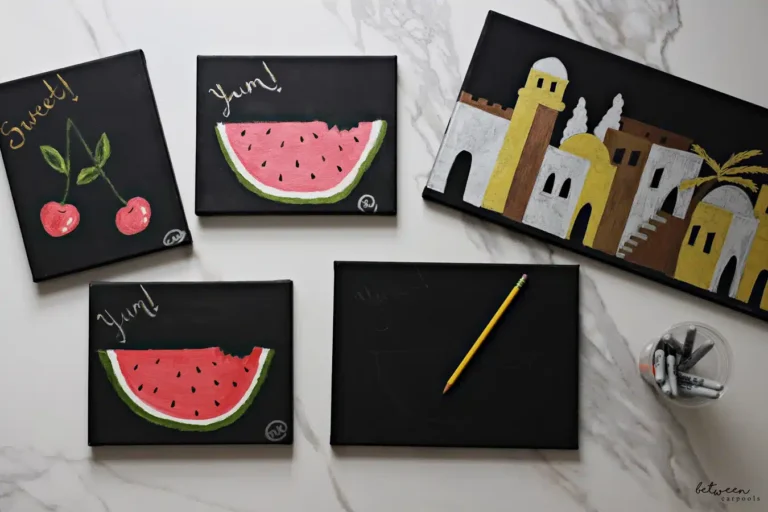
5. **Instinctual Art:** Provide art supplies and ask your child to create a piece of art that represents their gut feelings. This can be abstract or a specific scene that illustrates a time when they listened to their instincts.
6. **Journaling:** Encourage your child to keep a journal where they write about their daily experiences and how they felt in different situations. This practice helps them recognize patterns and the reliability of their gut feelings.
7. **Guess the Outcome:** Present your child with a hypothetical scenario and ask them to predict the outcome based on their gut feeling. You can make it a game by rewarding them when their intuition leads to accurate predictions.
8. **Body Scan:** Practice mindfulness exercises with your child, including body scans. Ask them to focus on different parts of their body and notice any physical sensations or tension. Discuss how these physical cues can be connected to their instincts.
9. **Intuitive Taste Test:** Blindfold your child and offer them various foods or drinks to taste. Ask them to trust their gut feeling to describe the taste, whether it’s sweet, sour, or something else. This activity can help them connect their physical sensations to their instincts.
10. **Intuitive Decision Jar:** Create a jar with various decisions or scenarios written on slips of paper. Have your child pick a slip and share their gut reaction to that situation. Discuss why they felt that way.
11. **Listening Game:** Play a listening game where your child closes their eyes and listens to different sounds in their environment. Ask them how these sounds make them feel or if any sound triggers a gut feeling of safety or discomfort.
12. **Story Sharing:** Share personal stories where listening to your own intuition was beneficial. Encourage your child to share their own stories or experiences when they followed their gut feelings.
Through these activities, children can develop a greater awareness of their inner instincts and learn to trust their feelings when making decisions. Emphasize that intuition is a valuable tool that can guide them in making choices that align with their values and well-being.